Engineering is about more than machines. It's about finding new, simpler and sustainable ways to power our cities, improve infrastructure, innovate manufacturing and connect people and businesses around the globe with ever-increasing speed and efficiency. You might call it the driving force of Mitsubishi group companies, who have consistently excelled at meeting these series of challenges throughout our 150-year history.
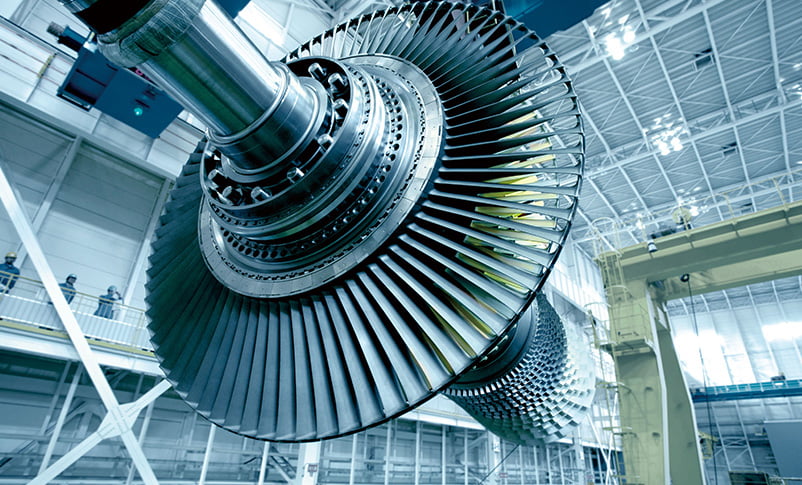
The engineering capabilities of Mitsubishi group companies stretch from aircraft to ocean vessels, power plants to highway technology, and defense systems to environmental facilities. Whatever the engineering challenge, we take big ideas and dramatically bring them to life.
These efforts are part of our collective commitment to deliver on the three basic principles of all Mitsubishi group companies: striving to enrich society, maintaining fairness and integrity in business transactions, and holding a global perspective as we help to craft a better tomorrow. Such ideas inspire our endeavors in next-generation engineering.
From our first mining venture in 1881 to the advanced steel and aluminum products we deliver to manufacturers worldwide, Mitsubishi group companies have long stood among the world's leading suppliers of industrial materials. Our products and components are the building blocks of many of the world's ships, aircraft, vehicles and machines—both those manufactured by Mitsubishi entities, as well as those produced by other major companies across the globe.

Mitsubishi group companies are renowned for manufacturing excellence, while always striving to meet customer needs for cost competitiveness, higher performance and lower environmental impact. Our nonferrous metal, steel and other mined and refined products bring new value to each customer's business, which leads to tangible improvements in the lives of consumers.
All Mitsubishi group companies are dedicated to enriching society, maintaining fairness and integrity in our corporate activities, and approaching business from a global perspective. These three principles underpin the various things we do to supply the world's industry with the materials needed to make a difference.
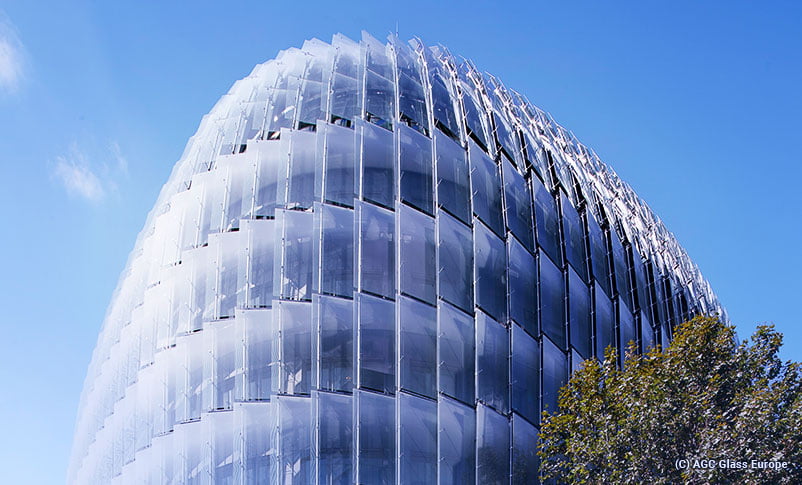
Mitsubishi quality is embedded in daily life through our vast range of industrial production activities, covering everything from chemicals, plastics and building materials to paper, textiles and fibers. Starting from the molecular level, we transform matter into the advanced materials that shape the world we inhabit today. That's why Mitsubishi group companies are trusted to deliver reliability and performance in any situation.
At the same time, Mitsubishi group companies are leading the transformation into a recycling-oriented society. Faced with the depletion of natural resources and the environmental impact caused by mass consumption, we are innovating radical new solutions for reuse of resources, biodegradable materials and ecological technologies.
Through innovation and dedication, Mitsubishi group companies embody the three principles that motivate us, helping to enrich society, and, with integrity and a global perspective, transform tomorrow's possibilities into today's reality.
Our expertise in construction, real estate and urban development dates back to the Meiji period in Japan. Since the 1890s, Mitsubishi has continued to play the lead role in developing Tokyo's Marunouchi district, adjacent to what is now Tokyo Station, as the city's new business center. Dozens of properties in Marunouchi continue to be managed by Mitsubishi group companies, while our real estate ventures now encompass retail, commercial, residential and hotel developments across Japan and in numerous other countries worldwide.
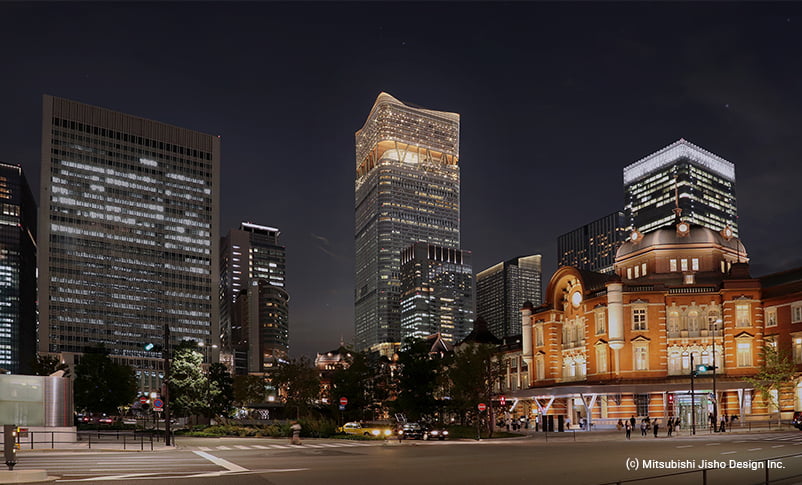
As a fully diversified constellation of companies unified by common goals and history, Mitsubishi group companies are invested in the entire life-cycle of real estate, from planning and construction to leasing and property management.
With a global perspective, and a focus on fairness in our business dealings, Mitsubishi group companies are building on the three principles at the base of our corporate activities, to help enrich societies everywhere.
Energy has been one of Mitsubishi's key concerns since our earliest efforts to secure coal supplies for our steamship business in the 1870s. Today, our group companies are technological and trading powerhouses in the energy industry, global leaders in the design and construction of thermal, renewable and nuclear power plants, and major players in the drive towards sustainable energy for all.

As Japan is a nation that must procure much of its resources from abroad, we are acutely aware of the role that energy plays in industrial development and in people's everyday lives. Mitsubishi group companies are involved in the full gamut of energy production and supply. At the same time, we are leading the shift to renewable sources that Japan possesses in abundance such as wind, hydro and geothermal power.
Mitsubishi group companies are empowered by the three principles that fuel all our solutions: striving to enrich society, maintaining fairness and integrity in business transactions, and holding a global perspective. Energized by these principles, we help power the world.
Mitsubishi established its first bank in 1880 in order to finance its growing shipping business. Following decades of mergers and acquisitions, the banking and financing operations of Mitsubishi group companies have grown into a broad suite of financial services that are driving business expansion in the Japanese, Asian and global economies.

Throughout our history, Mitsubishi has had to keep sharp focus on the formulation of management strategies and funding plans, while maintaining a steadfast commitment to serve businesses and society. This focus has given us a strong foundation upon which to develop our banking, trust business, securities and asset management activities to help promote healthy, sustainable economic growth.
Mitsubishi group companies' greatest capital is the set of three principles that are common across the various companies: striving to enrich society, maintaining fairness and integrity in business transactions, and holding a global perspective. These principles constitute one of our largest assets as we grow in the world of finance.
Early in its history, as Mitsubishi diversified from shipping into other industries such as mining, energy, construction and many others, new companies were set up to expand these businesses, procure supplies and promote commerce. In many cases, these developed into fully-fledged businesses in their own right. Today, Mitsubishi group companies not only make things, they trade in goods and commodities across all industrial sectors.

Our vast and diverse trading operations are among the largest in Japan, and have played a key role in driving Mitsubishi's global expansion. We're also involved in wide-scale retail and merchandising activities. Taken together, these make Mitsubishi group companies leaders in the exchange of goods and services worldwide.
Our approach to trading is influenced by the three basic principles that unite all Mitsubishi group companies: striving to enrich society, maintaining fairness and integrity in business transactions, and holding a global perspective. We engage in commerce around the globe. Because these principles always make for a good trade.
From its earliest history, Mitsubishi's ever-expanding portfolio of businesses and companies has demanded careful insight and wise investment. Over the years, Mitsubishi group companies have had to adapt to changes in the business environment and wield foresight to promote and manage Mitsubishi's diversification.

This history gives us a unique, holistic view across all industries, ideal for conceiving and incubating new businesses, acquiring or investing in companies to incorporate them into the group, and providing the business management expertise to add value and help drive growth. Investment is also a major part of our financial services and insurance-related businesses, as we help our clients and customers to achieve their goals. It's all part of the Mitsubishi management philosophy.
That philosophy is founded on the three basic principles that unite all Mitsubishi group companies: striving to enrich society, maintaining fairness and integrity in business transactions, and holding a global perspective. We build and manage business around the globe. Because for us, these principles are universal.
The origins of Mitsubishi date back to 1870 and the establishment of a shipping company to serve the newly opened Japanese ports of Osaka, Kobe and Yokohama. Within a decade, Mitsubishi controlled the majority of Japan's steamship fleet and began to diversify its operations into coal, warehousing and insurance in order to better serve its growing logistics business. Today, Mitsubishi group companies are not just global leaders in shipping, but also pioneers in the field of logistics.
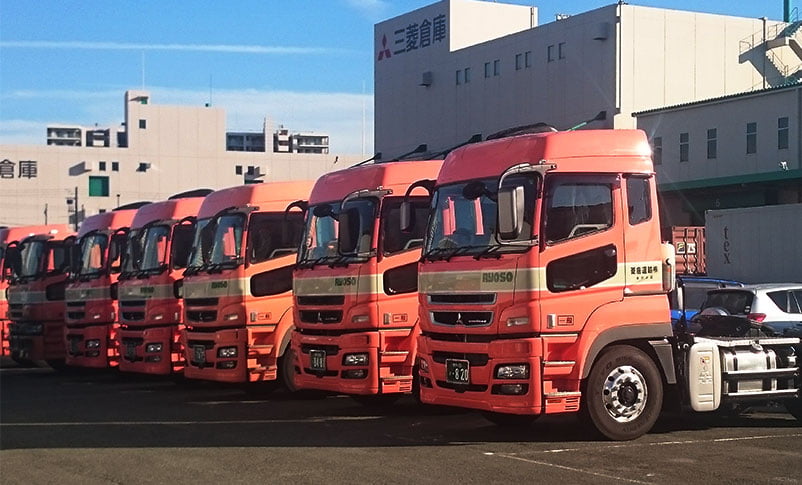
Our modern-day logistics capabilities cover sea, air, road and rail—and even extend to space. Incorporating cutting-edge IT technologies, goods are tracked across oceans and delivery status is transmitted via real-time online updates to customers. From the most complex of business supply chains to the online purchase that arrives the next day, millions of people rely on Mitsubishi group companies to deliver.
Wherever we deliver goods to customers, we also deliver on our three basic principles: enrich society, maintain fairness and integrity in business transactions, and keep a global perspective. The world is a diverse place; but our joint philosophy remains unchanging wherever we do business.
Since the production of our first automobile more than 100 years ago, Mitsubishi group companies have built a formidable reputation as a manufacturer of low-cost, fuel-efficient vehicles, including electric vehicles. We're also involved in the manufacturing of trucks and buses. And with our logistics and ICT capabilities, Mitsubishi group companies are major developers of highway technologies and the smart transportation infrastructure. In addition, our companies manufacture railway vehicles, and offer a range of next-generation technologies and solutions for railcars, train management and railway network control.
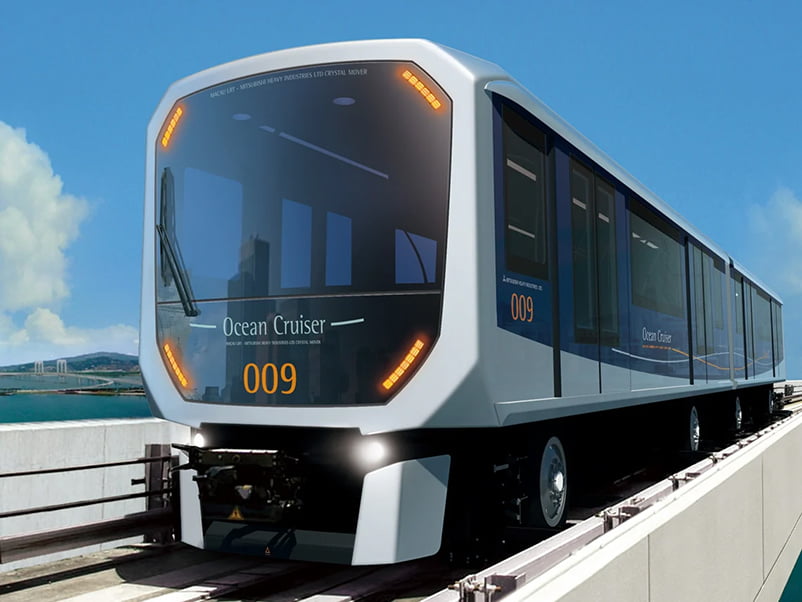
As we keep the world in motion, Mitsubishi group companies are united by a common commitment to the three principles that motivate us: striving to enrich society, maintaining fairness and integrity in business transactions, and holding a global perspective. These are the precepts that move us, and ensure we are at the forefront of mobility.
Mitsubishi group companies play a key role in developing precision machinery, electrical machinery and ICT that is shaping the future of business and science. Through financing and technological innovation, our group companies now lead the way in photography and imaging equipment, scientific instruments, and cell solutions for drug discovery and gene therapy.
In electrical engineering, we imagine ways to achieve new levels of efficiency, control and comfort in everything from home products to a range of fundamental social and critical infrastructure solutions, including building systems, energy systems, transportation systems, and more. And then we make them a reality.

As we visualize tomorrow, Mitsubishi group companies' thinking is founded on three basic principles that are common to all of us: striving to enrich society, maintaining fairness and integrity in business transactions, and holding a global perspective. These principles help give shape to the infinite possibilities of innovation and imagination.
For Mitsubishi, space has never been ‘the final frontier'. Inspired by the possibilities waiting to be found beyond the Earth, we have always looked at space as an exciting new frontier for astronomical discovery and exploration.

Mitsubishi group companies have been major contributors to the Japanese space program by providing it with launch systems, rocket technology, satellite platforms and manned space modules, as well as large-scale radio and optical telescopes to look far beyond our world.
No matter how far away technology takes us, Mitsubishi group companies remain close to the three principles that animate us all: striving to enrich society, maintaining fairness and integrity in business transactions, and holding a global perspective. All our explorations into the universe are grounded in these down-to-earth precepts.
As Mitsubishi expanded into many different sectors of the Japanese economy, it took on a greater responsibility for the wellbeing of the economy and society in general. This sense of duty led some Mitsubishi group companies to begin advising clients on business matters and social challenges.

Today, our group companies remain at the forefront of research and consulting in fields ranging from economics and business management to public policy, science and technology. In collaboration with other research organizations, we help tackle the greater problems faced by society and our clients.
Such strategic thinking is advised by our common goal of enriching society, maintaining fairness and integrity in business transactions, and having a global perspective—the three principles that characterize Mitsubishi group companies, no matter what area of business or research we are engaged in.
Mitsubishi has been a leading provider of insurance throughout most of our history, dating from the early days of our shipping business in the 1870s. Initially intended to safeguard Mitsubishi's own shipments of cargo, insurance quickly became a major part of the group's business, a driver of its international expansion, and a vital means by which Mitsubishi was able to contribute to the growing prosperity of Japan during the Meiji period.
In a disaster-prone country such as Japan, the need to mitigate risk and rebuild quickly after any misfortune is embedded in the national psyche. That's why we have expanded our business comprehensively in the field of insurance, and carry out vital research into ageing and elderly care. Our customers know that we've got them covered.

Although risk is a part of life, Mitsubishi group companies ensure that our solutions are covered by our unwavering commitment to deliver on our three basic principles: striving to enrich society, maintaining fairness and integrity in business transactions, and holding a global perspective.
Mitsubishi's involvement in farming dates back to the 1890s, when the founding Iwasaki family helped to transform an acidic and sterile piece of land into one of Japan's first modern dairy farms.
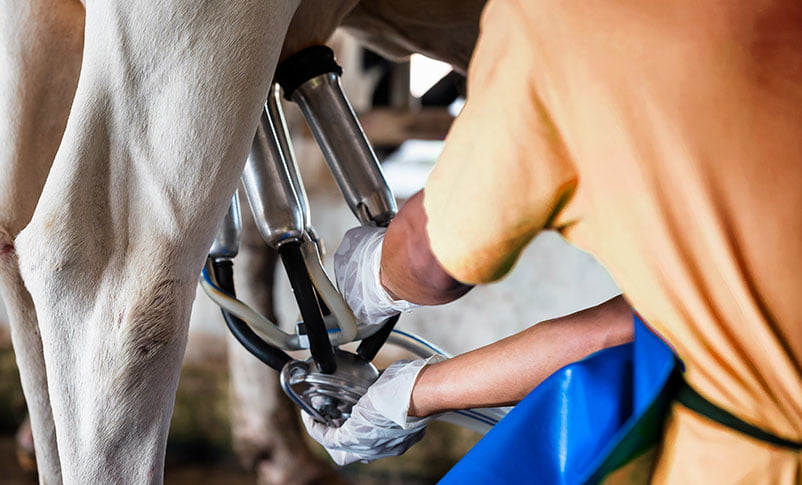
This achievement is but one early example of Mitsubishi expanding its business away from shipping and industry, and into activities that directly sustain life while promoting responsible stewardship of land, forests, livestock and fisheries. From agricultural materials to energy-saving solutions for crop-raising, we're helping to promote growth.
As Mitsubishi group companies cultivate new businesses around the world, based on our three principles of striving to enrich society, delivering fairness and integrity in business transactions, and maintaining a global perspective, our dedication to these principles helps us reap the rewards of better business relationships and greater value to society.
From early experiments in dairy farming over 100 years ago, Mitsubishi group companies have expanded to become major players in Japan's multi-billion-dollar food and beverage industry, one of the world's largest by revenue.
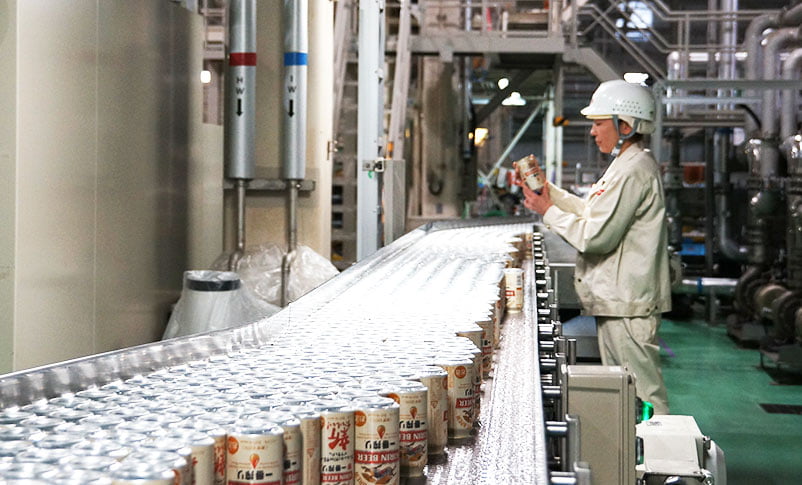
As both food and beverage producers and an operator of neighborhood stores, Mitsubishi group companies are proud to provide an essential public service while introducing new concepts in lifestyle, enjoyment and convenience to the communities we serve.
These efforts are part of our collective commitment to deliver on the three basic principles of all Mitsubishi group companies: striving to enrich society, maintaining fairness and integrity in business transactions, and holding a global perspective as we develop new ways to serve our customers.
Mitsubishi group companies welcome thousands of guests annually to our hotels, gardens and visitor attractions across Japan.
From hotel chains to travel agencies, country clubs and global cruise operators, we're helping redefine what it means to feel welcomed. We also maintain some of Japan's most important industrial heritage sites, while some of Tokyo's finest and best-preserved historical gardens were donated to the city by the Iwasaki family, having been purchased by Mitsubishi founder Yataro Iwasaki during his lifetime.

Mitsubishi group companies continue to explore new ways of providing unparalleled hospitality and recreation, emboldened by our collective commitment to deliver on the three basic principles that unite us: striving to enrich society, ensuring fairness and integrity in business transactions, and maintaining a global perspective.
One of the Three Principles of Mitsubishi is that business should be carried out in a manner that strives to enrich society, including preservation of the global environment. We strongly adhere to the belief that a sustainable society is the best foundation for a sustainable business. Many of our group companies are helping to realize such a society by developing technologies for recycling and renewable energy.

Consortiums of Mitsubishi group companies are behind some of the most technologically advanced geothermal, wind and solar power plants in operation today. And together, we're advancing the cause of resource recovery, energy conservation and biodegradables.
Mitsubishi group companies are sustained by the three basic principles that help us deliver on the need for a greener world: enriching society, maintaining fairness and integrity in business transactions, and holding a global perspective as we help to address environmental concerns. Big issues require big ideas like these.
At Mitsubishi, one of our Three Principles states that our business should strive to enrich society, both materially and spiritually. To that end, we support a number of foundations and research institutes that are working for the collective good.
Through these entities, we award grants to researchers in the natural sciences, humanities and social sciences. We maintain one of the world's leading centers for the study of Asian history and culture, with an extensive library of rare and essential books for anyone who studies Asia. We also hold one of the world's finest collections of Japanese and East Asian art and artifacts, many of whose treasures are made available for public viewing.

These are just a few examples of how Mitsubishi group companies are contributing to culture, science and the arts through the three basic principles that unify all of us: striving to enrich society, ensuring fairness and integrity in business transactions, and maintaining a global perspective as we help to deliver a better tomorrow.
News
